
For importers, wholesalers, and private label buyers, choosing a small kitchen appliance supplier in China is rarely a simple price comparison. The better question is whether the supplier can support stable product quality, export-ready specifications, consistent communication, safe electrical design, and repeatable production. In the small appliance business, one weak detail can affect a full shipment, from incorrect plug standards to unstable heating performance, poor packaging strength, or unclear after-sales responsibility.
Why Supplier Selection Matters in Small Kitchen Appliances
Small kitchen appliances move quickly in retail channels, but they also carry practical risks. Air fryers, electric kettles, coffee machines, blenders, food processors, sandwich makers, and electric stoves all involve heating, motors, wiring, or food-contact parts. A buyer may be able to sell the first batch with an attractive price, yet long-term market performance depends on how the product works after months of daily use.
A reliable kitchen appliance manufacturer should understand both product function and market positioning. A 4.0L air fryer for apartment kitchens, a 2L electric kettle for hotel rooms, and a 6L stainless steel food processor for large family meal preparation do not serve the same customer. Good sourcing starts when the factory can explain these differences clearly.
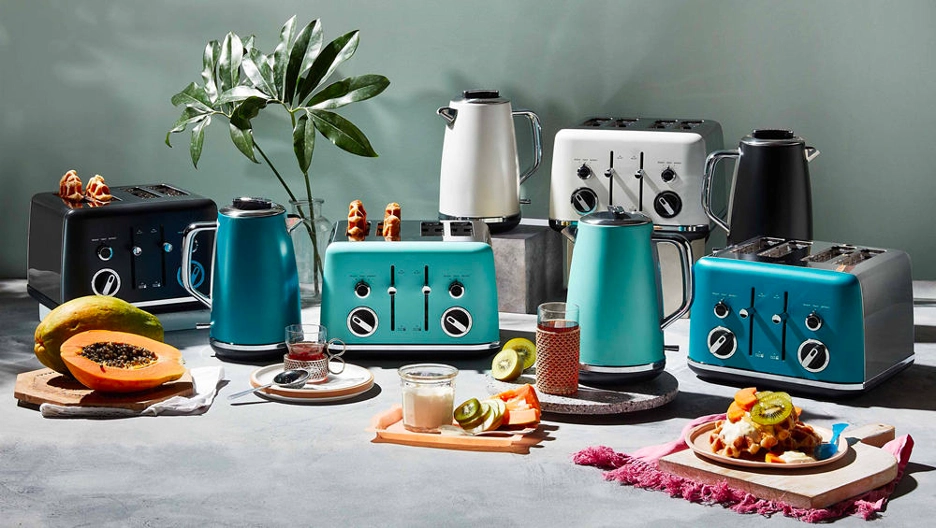
Zhejiang Raf Electric Co., Ltd. has built a wide home appliance range that includes small kitchen appliances, coffee machines, electric kettles, food processors, air fryers, electric stoves, sandwich makers, waffle makers, steam irons, vacuum cleaners, and floor washing machines. For B2B buyers, this product width can reduce sourcing work when several categories are needed under one supply plan.
Check the Real Product Range, Not Only the Catalog Cover
A professional small kitchen appliance supplier should be able to provide detailed product choices within the same category. In air fryers, for example, buyers may need knob control for entry-level retail, digital touch control for mid-range programs, single baskets for compact kitchens, or double baskets for family cooking.
RAF’s air fryer line includes capacities from 4.0L to larger 16L options. The R.5376 double basket air fryer uses a 2200W heating system and two independent 4.5L cooking zones, allowing separate time and temperature control for different foods. The R.5332 single-basket model uses a classic mechanical knob design, 0–200°C temperature control, and a 30-minute timer, making it suitable for buyers seeking a straightforward low-oil cooking appliance. The R.5389 adds an upper and lower heating structure for foods such as pizza, pancakes, and steak, which can be useful in compact urban kitchens.
These details matter because buyers are not only purchasing an appliance. They are choosing a product story for their target channel.
Review OEM and ODM Capability Before Negotiating Price
Many global buyers search for an OEM kitchen appliance manufacturer or ODM kitchen appliance supplier because the final product must match their brand, sales region, and retail price level. Customization should cover more than logo placement. It may include color, carton design, user manual language, plug type, voltage, packaging structure, accessory combination, and product function.
For private label kitchen appliances, a mature supplier should be able to discuss whether an existing model is suitable or whether a modified structure is necessary. A buyer building a breakfast appliance line may consider sandwich makers, waffle makers, drip coffee machines, and electric kettles. A buyer serving health-focused households may prefer air fryers, slow juicers, blenders, and food processors.
RAF’s product materials show several examples of category depth. The R.2841 wall-breaking blender uses 2600W peak power, a 2.5L stainless steel cup, and an eight-blade crushing system. The R.2817 slow juicer uses cold-press technology, a 68mm feeding port, automatic slag discharge, and low-noise operation. The R.7735 food processor uses a 6L stainless steel container, a dual-speed system, and a 10-blade cutting structure for larger food preparation needs.
Technical Specifications Reveal Factory Experience
Experienced buyers usually read the specification sheet before discussing the quotation. Power, capacity, voltage, frequency, material, heating method, tank size, blade structure, safety protection, and plug type all affect whether the product can enter the target market smoothly.
In the electric kettle category, RAF offers stainless steel, borosilicate glass, and ceramic options. The R.7915 stainless steel electric kettle is designed with a 2L capacity, 1500W heating plate, 360° rotating base, automatic shut-off, dry-boil protection, and 304 stainless steel inner structure. These details are useful for buyers serving hotels, household retail, and travel-use channels.
Coffee machines require a different review process. RAF’s coffee appliance range covers manual drip coffee machines, espresso machines, semi-automatic coffee machines, and smart coffee systems. The R.136 espresso machine uses a 15Bar pressure pump, 850W power, a 1.5L detachable transparent water tank, and a milk frothing function. The R.0207 semi-automatic espresso machine uses a 20Bar pump, dual boiler structure, 1.8L water tank, real-time pressure display, and steam milk frothing. For buyers, such specifications help separate simple household models from higher-value coffee appliance programs.
Safety, Certification, and Regional Fit Should Be Checked Early
Appliance sourcing becomes risky when safety requirements are discussed too late. A reliable appliance supplier in China should be able to explain plug standards, voltage versions, heating protection, over-temperature control, dry-boil protection, food-contact materials, and packaging labels.
Many RAF models are designed around 220–240V or 230V markets, with product-level safety features such as automatic power-off, overheating protection, anti-dry-burning systems, anti-scalding structures, and detachable parts for cleaning. Buyers should still request certificates, inspection reports, and market-specific compliance documents before mass production. This step is especially important for electric kettles, air fryers, coffee machines, electric stoves, steam irons, and floor washers because these products involve heat, water, pressure, or high-power motors.
Match Products to the Sales Channel
A strong China small kitchen appliance manufacturer should help buyers think beyond the factory quotation. Retail shelves, e-commerce listings, wholesale distributors, hotel supply channels, and private label programs each require different product choices.
A compact 600ml drip coffee machine can fit small households or office use. A 2L electric kettle may suit daily family and hotel demand. A double basket air fryer can appeal to family cooking, while a 4.0L knob-control air fryer may suit price-sensitive markets. A 6L food processor can support larger meal preparation, while a 3L stainless steel model may be easier to position for regular home use.
The same logic applies to cleaning and laundry appliances. RAF’s product range also includes steam irons, tank vacuum cleaners, lightweight two-in-one vacuum cleaners, and steam floor washers. This wider category coverage gives buyers room to build a fuller home appliance program instead of sourcing each item from a separate factory.
Conclusion
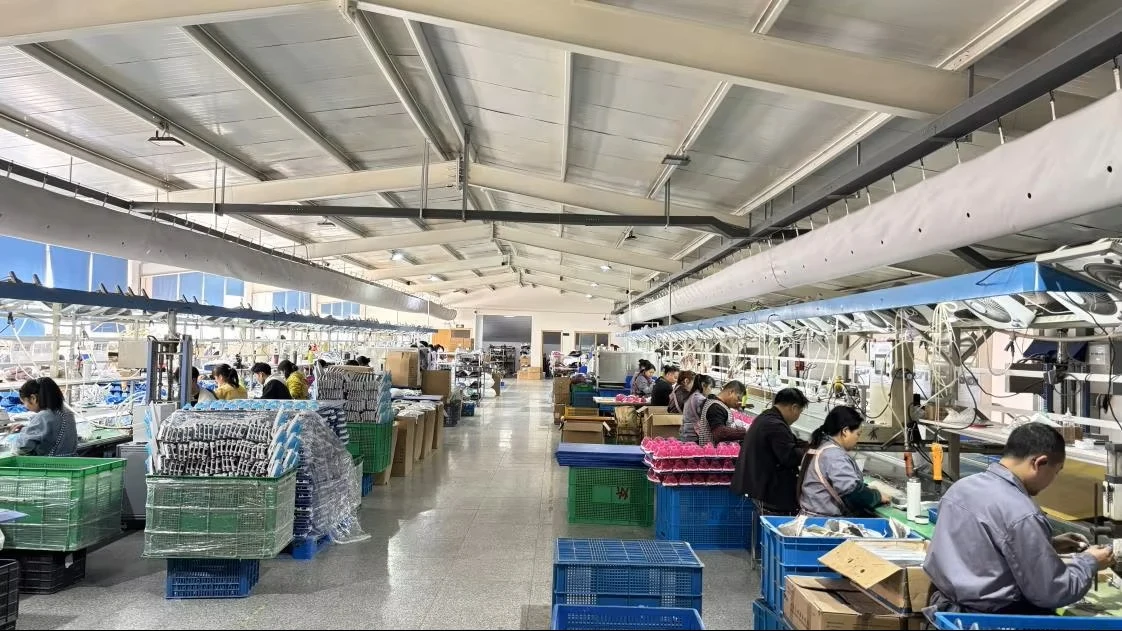
Choosing a reliable small kitchen appliance supplier in China requires a practical review of product range, OEM and ODM capability, technical specifications, safety design, production experience, and after-sales support. RAF’s appliance portfolio covers air fryers, electric kettles, coffee machines, blenders, juicers, food processors, electric stoves, breakfast appliances, laundry care products, and cleaning appliances, giving global buyers a broad base for wholesale, retail, and private label sourcing. For importers and distributors, the best supplier is not only the one that quotes quickly, but the one that can support repeat orders with stable products, clear specifications, and market-ready solutions.
FAQs
Q1: How do I choose a reliable small kitchen appliance supplier in China?
A1: Buyers should check whether the supplier has a real product range, clear technical specifications, OEM and ODM service, sample support, safety protection design, export experience, and after-sales handling. A reliable small kitchen appliance supplier in China should also understand voltage, plug, packaging, and certification requirements for the target market.
Q2: What should I ask before ordering OEM kitchen appliances from China?
A2: Before ordering OEM kitchen appliances from China, buyers should confirm product power, material, capacity, voltage, plug type, logo method, carton design, instruction manual language, sample lead time, inspection standard, spare parts policy, and mass production schedule. These details help prevent problems before shipment.
Q3: How can I tell if a kitchen appliance manufacturer is suitable for private label projects?
A3: A suitable private label kitchen appliance manufacturer should offer customization for logo, color, packaging, plug, manual, accessories, and sometimes product function. The supplier should also explain which existing models can be used directly and which products need further development for the target market.
Q4: Why do technical specifications matter when sourcing small kitchen appliances?
A4: Technical specifications show whether a product fits the buyer’s market and price level. Power, capacity, blade structure, heating method, safety protection, voltage, water tank size, and material all affect product performance, user experience, and compliance risk.
Q5: What small kitchen appliances are suitable for wholesale and retail buyers?
A5: Air fryers, electric kettles, coffee machines, blenders, juicers, food processors, electric stoves, sandwich makers, waffle makers, steam irons, and vacuum cleaners are common choices for wholesale and retail buyers. The right product depends on local demand, target price, sales channel, certification needs, and expected order volume.


