
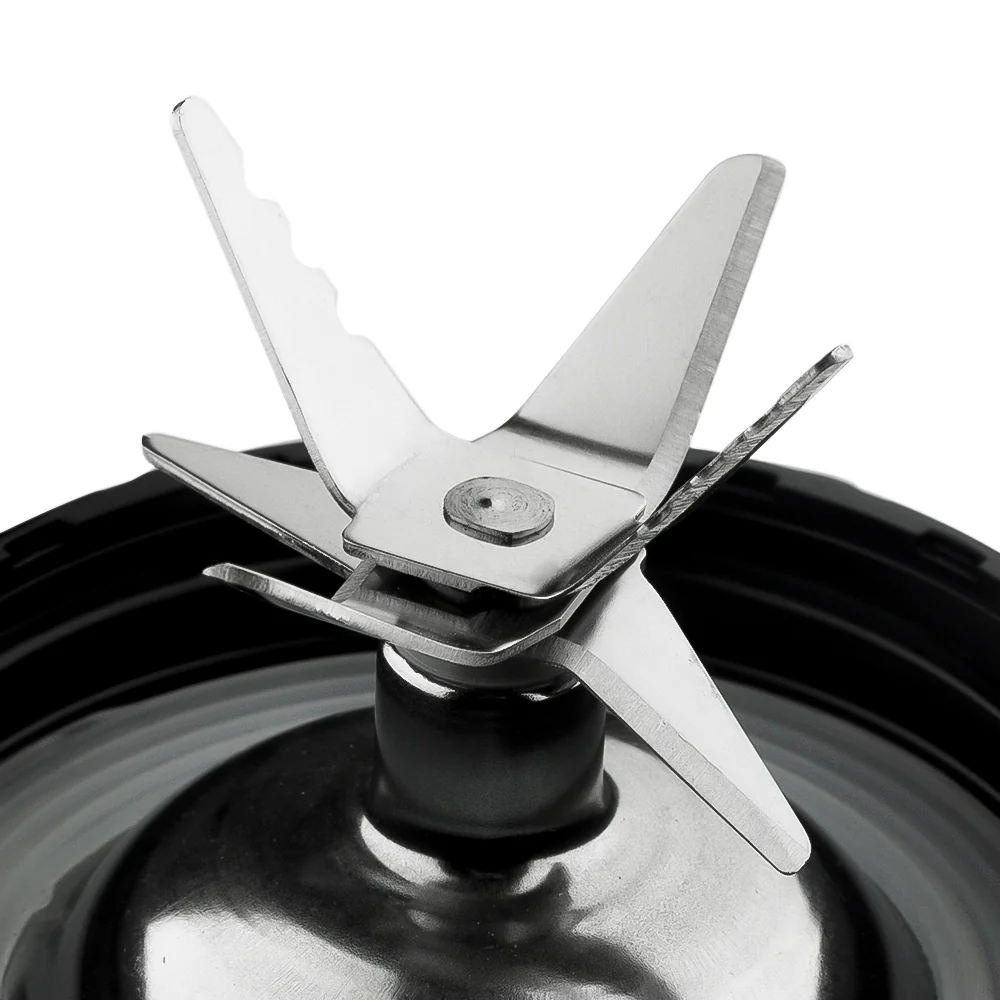
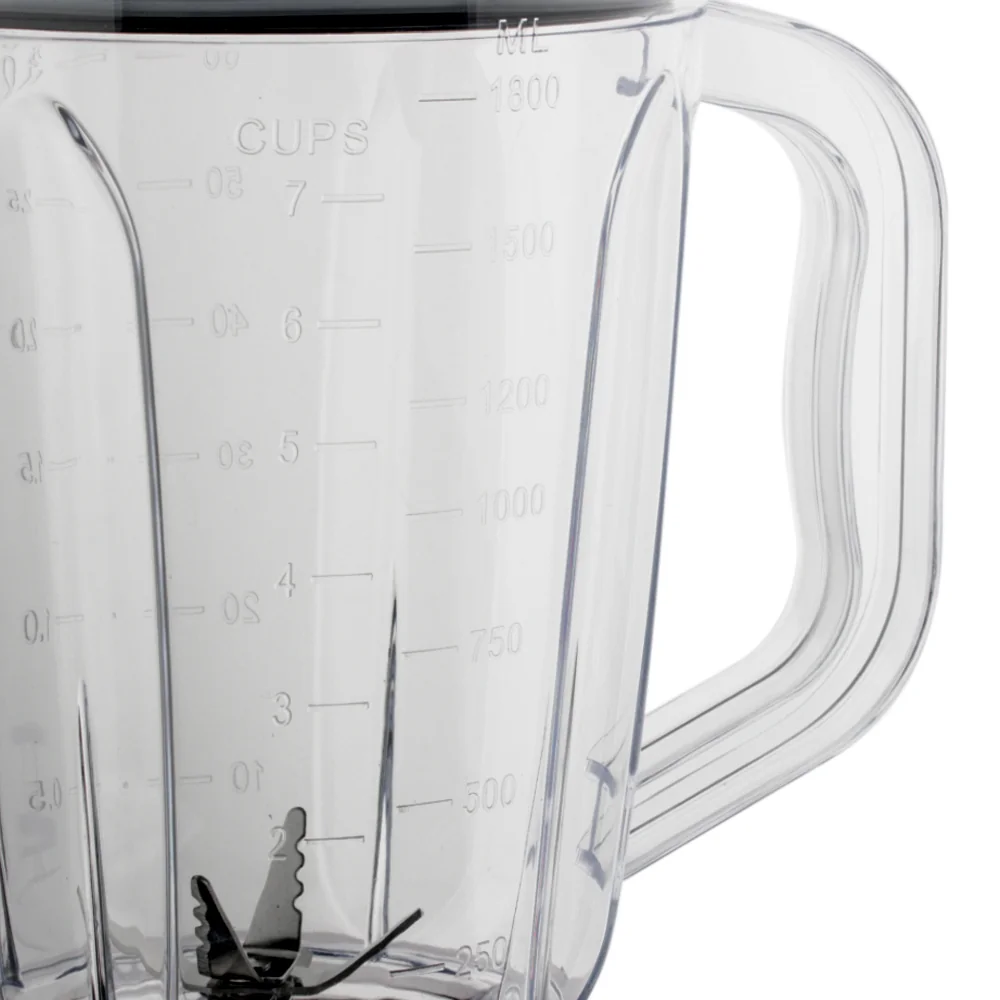
A wholesale blender quotation needs to identify the jar and accessories included in the price. That detail belongs near the top of any enquiry for wholesale blenders. The photograph may show a full set with a grinding cup; the quotation may cover the blender alone. Until that is settled, comparing prices gets a buyer very little.
Wattage can cause much the same problem. One figure describes continuous power, another a brief peak. Without those labels, what exactly is being compared?
An importer needs to know what is coming in the box before choosing between offers. A retail brand also has to decide which uses it intends to promote and see how the samples perform at those tasks. Price comes into that discussion, of course. So do the details that will eventually appear on the order.
Start with the job the blender will do
“Household fruit drinks” is a workable starting brief. “A powerful blender” leaves rather more room for interpretation. A set intended to include dry grinding needs a different discussion again, beginning with the attachment and the ingredients it is designed to handle.
The sales channel adds a few practical questions. Will the assembled appliance fit the space shown in an online listing? Does the photographed set match the contents of the retail box? For a shop display, the buyer can handle the sample and judge the controls, finish and pouring action. These details are easier to settle with a sample on the desk.
A café enquiry needs its own workload description. Repeated service is not something to assume from the appearance or power claim of a household model. That intended use needs to reach the supplier before models are shortlisted.
Compare the complete jar and accessory set
Try the lid, then lift the filled jar and pour from it. A photograph will not tell a buyer whether the handle is comfortable or the lid awkward to remove. Those small details can affect which model belongs in the retail range.
Glass, plastic or stainless steel?
When choosing between a glass or plastic blender jar, start with the specification and the assembled sample. The material name alone won’t settle it. Request the actual material specification and handle the jar with its lid, seal and blade connection fitted. At the intended fill level, is its weight and grip suitable for the product’s intended user?
RAF R.2841 has a stainless steel jar with a stated capacity of 2.5 L. This makes it a model to consider when jar size is part of the purchasing brief. The useful comparison is whether it suits the planned batch size and is comfortable to lift and pour. Hot ingredients need a separate conversation with RAF about permitted use and temperature. A stainless steel jar is not, by itself, permission to blend a hot mixture.
The 2.5 L figure describes the stated capacity. It should not become a promise to process 2.5 L of every mixture. Working fill and recipe limits still matter. For a retail offer built around a particular batch size, settle that requirement with RAF before calculating servings or writing the box copy.
Name every attachment in the quotation
RAF R.2826 has a separate dry grinding cup attachment. Is the complete attachment included in the offer under discussion? The quotation needs the cup, its lid and blade assembly named individually. Optional parts need that label too.
There is little reason to add the cup solely to make the set look bigger. A buyer planning to promote grinding has a clearer reason, and a further job: confirming the attachment’s intended ingredients and operating limits with RAF. That is the information needed to explain the extra cup on a retail page.
Read the power figure before ranking models
RAF specifies the actual power of R.2841 as 600 W. Keep the power description alongside the number when comparing offers. A peak figure needs its own definition and should not be treated as an equivalent specification.
An unclear power claim is worth resolving before sample approval. Start with the rating label, then ask the supplier to define any additional headline figure. Put the quotation beside the proposed box artwork during review. A change in wording between the two is something to resolve, not carry into production.
After that paperwork comes the recipe trial. How much intervention does it take? Is the texture acceptable? Are the controls suitable? Those are questions for the sample session, with the recipe agreed in advance.
Make wholesale blender samples comparable
Choose the recipe before setting out the samples. A thin fruit drink and a thick mixture put different demands on an appliance; two impressive demonstrations may therefore tell the buyer little about which model fits the offer. The trial recipe should belong to the intended use of every shortlisted configuration.
Write down the quantities, how the ingredients were prepared, their starting condition and the amount of liquid. Note the fill level too. Settings can differ between models, provided the record says what was used and the operation stays within the permitted limits. R.2841 has no built-in timer, so a separate timer belongs on the sample bench.
The sheet can stay short:
| Check | What to record |
| Product identity | Model, sample reference, jar and included accessories |
| Recipe and load | Ingredients, quantities, preparation and fill level |
| Operation | Setting, blending time and any permitted pauses |
| Result | Agreed texture target, remaining pieces and required intervention |
| Handling | Lid fit, pouring, controls and assembly observations |
| Cleaning | Steps followed under the model’s instructions and areas needing attention |
Agree on the result before the trial. “Good blending” leaves too much to personal preference. For a particular drink or sauce, describe the texture the retail offer calls for; a photograph or reference sample may help explain it.
Keep the conclusion narrow. One recipe trial says nothing about years of service, and it is not a substitute for laboratory testing. Adding ice, dry ingredients or hot mixtures simply to make a demonstration look demanding is unhelpful. Those uses first need confirmation for the model being considered.
Keep performance checks and safety documents distinct
An acceptable drink does not close the paperwork review. Performance measurement is the subject of IEC 60619. Safety requirements for kitchen machines, including blenders, fall within the scope of IEC 60335-2-14. They address different questions about the appliance.
Give the supplier the destination market and electrical configuration when requesting documents. Then follow the model reference through those documents and the order: do they refer to the same configuration? A general certificate statement in the catalogue leaves that question unanswered. Applicable requirements and accepted versions also need confirmation for the destination market.
The retail description is part of this review. Dishwasher cleaning, hot mixtures and food-contact claims should each be checked against the exact configuration on the order. A broad catalogue statement is not enough to support a more specific promise on a retailer’s box.
Approve the packed product, then discuss repeat orders
Open the packed sample before signing off the order. Compare what is inside with the agreed set, including the manual, label and artwork. For a branded range, the OEM and ODM requirements belong in this discussion as well. Photograph the packing arrangement while the inserts are still in place.
Freight planning needs the packing quantity, carton measurements and weights for that version of the pack. A later change to the box or inserts is a reason to request fresh figures. The inspection brief should name the agreed packing and markings; a photograph from an earlier shipment is only a reference.
Keep the approved reference sample identifiable. Any later changes should be recorded against it, leaving the order specification clear about the product, accessories, artwork and packing version being purchased.
Replacement parts are worth raising before a repeat order is due. A spare jar that looks right may not fit. Discuss the required jars, lids, seals or grinding cups with RAF, including availability, part identification and ordering conditions. Any configuration changes also need confirming for the repeat shipment.
FAQ
Should the highest-wattage model win?
No. First establish what the figure describes. Then compare how the shortlisted models handle the agreed recipe and load. For R.2841, RAF specifies 600 W as actual power; that number should travel with its description in the comparison sheet.
Is a separate grinding cup worth including?
It can be worth discussing when grinding is part of the intended retail offer. R.2826 has a separate grinding cup, but the buyer still needs to agree which ingredients it will handle and whether that attachment is included in the quoted set.
What should accompany a request for wholesale pricing?
A model reference and estimated quantity get the enquiry started. To make the price meaningful, add the destination country, sales channel, household uses, electrical configuration and preferred jar and attachments. Packaging choices and any required sample checks complete the brief.
Build a clear shortlist with RAF
RAF’s juicer and electric blender range offers a starting point for a model enquiry. R.2826 brings a separate grinding cup into the comparison. R.2841 offers a 2.5 L stainless steel jar. Which configuration fits depends on the uses and batch requirements behind the enquiry.
Discuss a bulk blender order with RAF using the preferred models, intended recipes and order requirements. That gives the discussion a practical starting point: the configuration, what needs to be tried on the sample, and the terms of the proposed order.


