
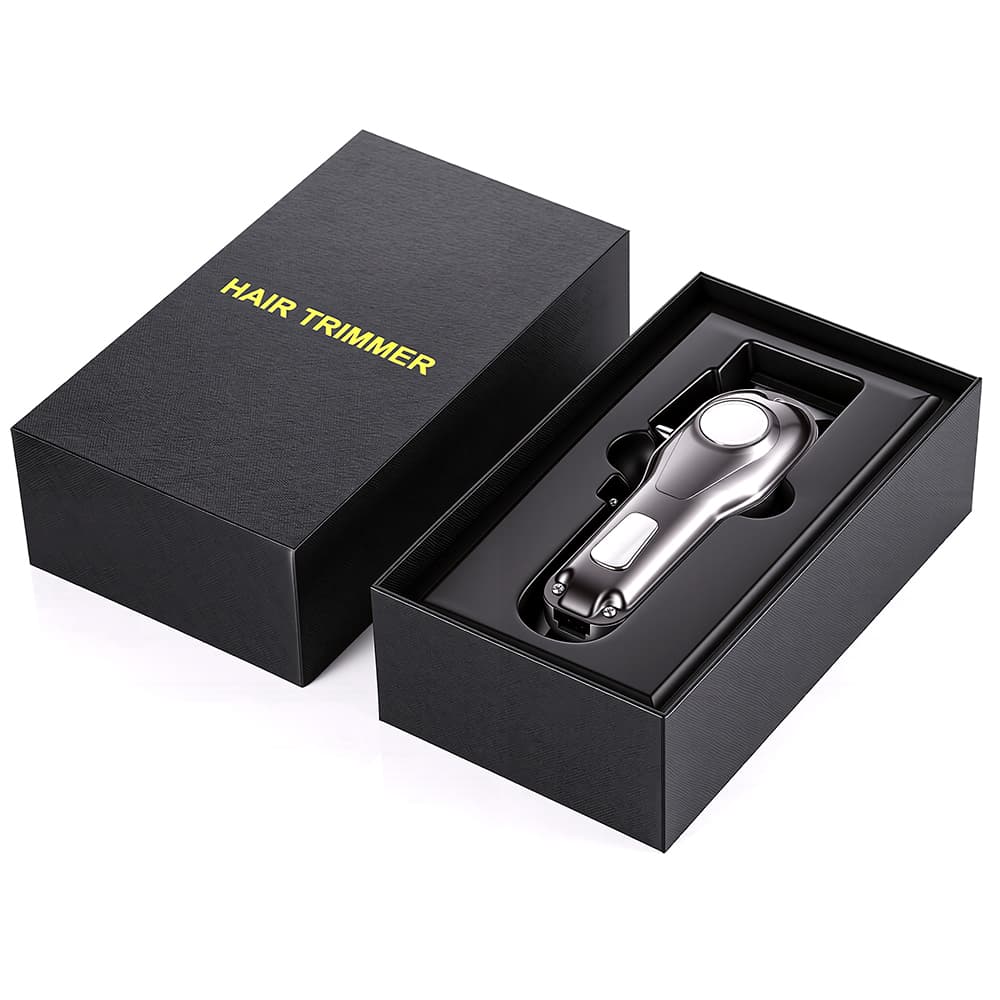
For importers, wholesalers, distributors, and retail purchasing teams, OEM & ODM small kitchen appliances offer a realistic path into private label development. This category has steady household demand, clear shelf value, and enough product variety to serve different sales channels. Electric kettles, air fryers, blenders, rice cookers, coffee machines, food processors, toasters, hot plates, and electric ovens can all become branded products when model selection, sampling, packaging, and production follow a well-managed process.
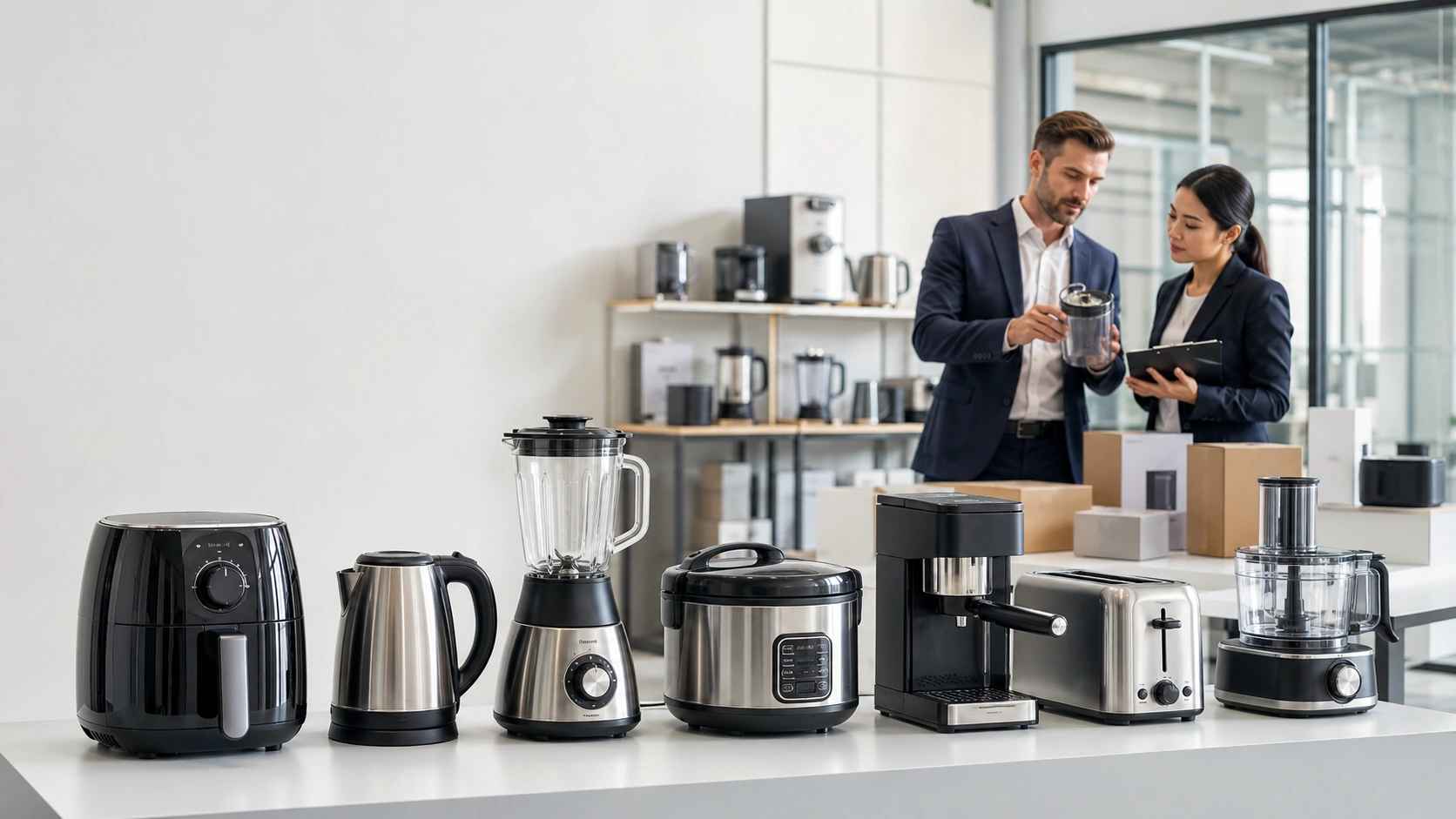
In daily sourcing work, the logo is rarely the first concern. Buyers usually care more about whether the supplier can keep the model consistent, adjust packaging for the local market, prepare samples before bulk orders, and support repeat shipments with stable appearance and function. This is where a capable China kitchen appliance manufacturer becomes valuable. A private label program is not only a branding task. It is a sequence of decisions covering product choice, technical details, carton design, quality checks, and final shipment.
Why Private Label Small Kitchen Appliances Suit B2B Purchasing
Private label small kitchen appliances are suitable for B2B buyers because the products are easy to display and simple for end users to understand. A kettle on a retail shelf, an air fryer in a seasonal promotion, or a blender listed in an online store can show brand identity through color, control panel design, packaging artwork, and user manual language. These visible details often influence how buyers and consumers judge product value.
For wholesalers and regional distributors, private label kitchen appliances also make product planning more flexible. A purchaser can start with a fast-moving item such as an electric kettle or air fryer. After checking sales feedback, the same product line can expand into a toaster, juicer, food processor, coffee machine, rice cooker, or electric grill pan. This staged approach is common in appliance sourcing. It reduces early inventory pressure, while still leaving room for category growth.
Supplier choice is usually the more difficult part. A small kitchen appliance supplier should understand voltage, plug type, packaging strength, carton marks, labeling requirements, and market-specific preferences. A low unit price may look attractive in the first quotation. However, weak packaging, unclear manuals, poor color consistency, or limited spare parts support can create extra costs after shipment.
OEM and ODM Kitchen Appliances in Actual Factory Work
OEM Kitchen Appliances
OEM kitchen appliances are generally developed around the buyer’s own requirements. These requirements may include appearance changes, function settings, component selection, control panel design, housing color, packaging structure, or technical specifications. This model fits buyers with a clear product concept, a planned retail position, or a need to build stronger product difference from standard market options.
OEM development usually requires more communication before sampling. Drawings, material choices, power requirements, heating performance, safety labels, accessories, and carton design may all need repeated confirmation. The process takes more time, but it can give long-term private label buyers a more distinctive finished product.
ODM Kitchen Appliances
ODM kitchen appliances are based on models already developed by the manufacturer. The buyer selects an existing product and customizes brand-related details such as logo, product color, gift box, instruction manual, barcode, plug type, rating label, and outer carton. For many importers and wholesalers, ODM is often the more efficient route. It shortens development time and keeps the order closer to tested production conditions.
This explains why search queries such as “ODM kitchen appliances supplier,” “custom logo kitchen appliances,” “OEM kitchen appliance process,” and “kitchen appliance private label process” usually come from buyers with real sourcing needs. They are not only comparing product photos. They are checking whether a supplier can turn a selected model into a sellable branded item.
Choosing Products for a Private Label Appliance Line
Product selection should follow market use, sales channel, and price level. Air fryers are suitable for buyers targeting compact cooking and lower-oil meal preparation. Electric kettles remain a strong option for homes, offices, hotels, dormitories, and promotional channels. Coffee machines fit lifestyle retail and office-use markets. Blenders, juicers, and food processors are common choices for breakfast, beverage, and home food preparation categories.
Rice cookers and pressure cookers are often chosen in markets where family meals create stable demand. Toasters, electric ovens, hot plates, electric grill pans, sandwich makers, waffle makers, egg boilers, and meat grinders can help a buyer cover more kitchen scenes and price bands. For a company comparing an air fryer OEM manufacturer, electric kettle OEM manufacturer, blender ODM supplier, or rice cooker manufacturer China option, a broader catalog can reduce the need to change suppliers when the product range grows.
Zhejiang Raf Electric Co., Ltd. covers a wide small kitchen appliance range, including air fryers, electric kettles, coffee machines, food processors, juicers and electric blenders, rice cookers and pressure cookers, electric ovens, toasters, meat grinders, egg boilers, hot plates, and related household electrical products. This product coverage is useful for buyers planning wholesale, retail, e-commerce, or private label kitchen appliance projects across several SKUs.
How the Kitchen Appliance Private Label Process Works
Market Positioning Before Sampling
Before sample production, the buyer should define the target market, sales channel, expected retail price, voltage, plug type, packaging language, certification direction, and order plan. A model for supermarket promotion may need strong gift box design and clear shelf information. A model for wholesale distribution may need tougher master cartons and simple model identification. A model for online sales may require cleaner packaging copy, better product photos, and careful accessory presentation.
Certification and compliance should be discussed early. Buyers may need to confirm CE, CB, RoHS, GS, ETL, or other destination-market requirements, depending on the selling region and product type. These items should not be left until shipment time. Label content, user manual warnings, plug standards, and test documents can all affect the production schedule.
Customization and Sample Approval
After the product direction is clear, the buyer can decide whether OEM or ODM is more suitable. ODM is often used when a faster launch is needed. OEM is more suitable when the product must include deeper functional or appearance changes.
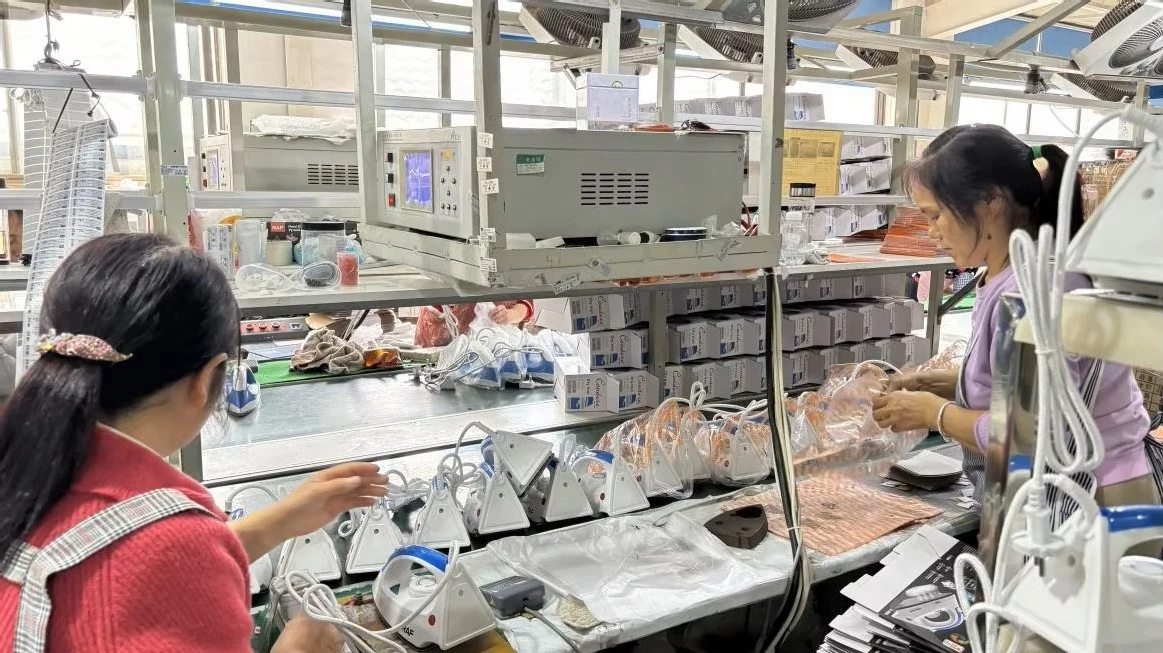
The sample stage should be treated as both a technical review and a commercial checkpoint. Logo position, body color, panel layout, packaging artwork, manual language, rating label, barcode, plug type, accessories, and carton marks should all be checked carefully. A serious sample review also looks at basic function, surface finish, switch feel, lid fit, heating performance, motor sound, packaging protection, and user experience.
For custom logo kitchen appliances, small details can affect the final result. A logo that looks clean on a flat kettle body may not work as well on a textured plastic surface. A gift box that looks attractive on screen may still need stronger paper material for export shipping. These are common factory issues, yet they should be settled before mass production begins.
Choosing a China Kitchen Appliance Manufacturer
A suitable wholesale small kitchen appliances factory should offer more than a product list. Buyers should review product range, OEM/ODM experience, sampling response, production stability, quality inspection, packaging support, export experience, and repeat-order management. A factory that understands private label work can help reduce mistakes in labeling, packaging, color matching, and carton information.
RAF was established in 2004 and is engaged in the research, development, sales, and service of household appliances such as electric kettles, air fryers, blenders, rice cookers, breakfast machines, and related small appliances. Its Ningbo factory background, ODM/OEM service process, product categories, and customization support are relevant for buyers searching for an OEM ODM appliance factory with long-term supply capability.
A practical buyer should also ask direct purchasing questions. Can the factory prepare samples before bulk production? Can logo, packaging, manual, plug, and carton details be confirmed in one workflow? Can the same product appearance be maintained in repeat orders? Can the factory support product line expansion after the first order? These answers are often more useful than broad sales claims.
Conclusion
Building a private label appliance brand requires careful control of product selection, OEM or ODM model choice, sample confirmation, packaging design, compliance discussion, and bulk production details. Small kitchen appliances are a strong entry category because they serve daily household needs and can grow into a wider product line. With an experienced China kitchen appliance manufacturer, importers, wholesalers, distributors, and retail buyers can move from product idea to branded goods through a more controlled process and a clearer long-term sourcing plan.
FAQs
Q1: How do I start a private label small kitchen appliance brand?
A1: Start with a product category that has clear market demand, such as an electric kettle, air fryer, blender, rice cooker, coffee machine, toaster, or food processor. Then confirm the target market, price range, voltage, plug type, packaging language, certification direction, and order quantity plan. After that, choose OEM or ODM manufacturing, review samples, confirm logo and packaging details, and approve final specifications before mass production.
Q2: What is the difference between OEM and ODM kitchen appliances?
A2: OEM kitchen appliances are made according to the buyer’s own product requirements, while ODM kitchen appliances use an existing manufacturer model with customized brand details. OEM is better for deeper product changes, while ODM is often faster for private label kitchen appliances that need logo, color, packaging, manual, plug, and carton customization.
Q3: Can I put my logo on small kitchen appliances?
A3: Yes, custom logo kitchen appliances are a standard part of private label manufacturing. The logo can usually be applied to the product body, control panel, gift box, instruction manual, rating label, and outer carton, depending on product material and structure. Buyers should confirm logo size, color, position, and printing method during the sample stage.
Q4: How do I choose a China kitchen appliance manufacturer?
A4: Choose a China kitchen appliance manufacturer by checking product range, OEM/ODM support, sample process, production experience, quality inspection, packaging ability, export knowledge, and repeat-order support. For importers, wholesalers, and retail buyers, the right supplier should understand both manufacturing details and private label market requirements.
Q5: What small kitchen appliances are best for private label brands?
A5: Common private label choices include air fryers, electric kettles, coffee machines, food processors, juicers, blenders, rice cookers, pressure cookers, electric ovens, toasters, hot plates, electric grill pans, meat grinders, and egg boilers. The best choice depends on local demand, retail price, certification needs, sales channel, and long-term category plan.


