Approving a sample for a home appliance range means agreeing what will actually be ordered. With wholesale espresso machines, a sensible starting point is to make the drinks the range is meant for, then check the handling and packed set. Appearance matters, but it is only one part of that decision.
Allow time to make a drink, use the steam function and put the machine away again. Then bring the observations into the order discussion with RAF. The following checks are a suggested approach for importers and distributors, rather than a laboratory test procedure.
Start with the model and the intended home user
The retail brief comes first. For example, a shortlist for small kitchens could put counter space near the top of the review sheet. A range built around milk drinks would give more attention to steam operation. Neither brief needs a complicated scoring system. A few lines on the intended customer, drinks and available space will do, alongside the model, market and sales channel.
Keep that brief focused. For this review, the question is how the selected machine fits a home appliance range. A separate café project should have its own discussion of the intended workload.
Give the sample an identity before discussing changes to it. Photos of the model marking and electrical rating can sit beside notes on the plug, colour and contents of the set. Mark any requested alteration separately. Otherwise a photograph of the original sample and a discussion about a revised order can easily end up in the same file without a clear distinction.
Walk through the controls and coffee-making steps
Run the demonstration from the beginning, including fitting the coffee holder and placing the cup. Rather than rating the controls simply as good or bad, describe the point that caught the operator out. For example, a note could identify a label that needed explaining. That gives the retail team a specific detail to review.
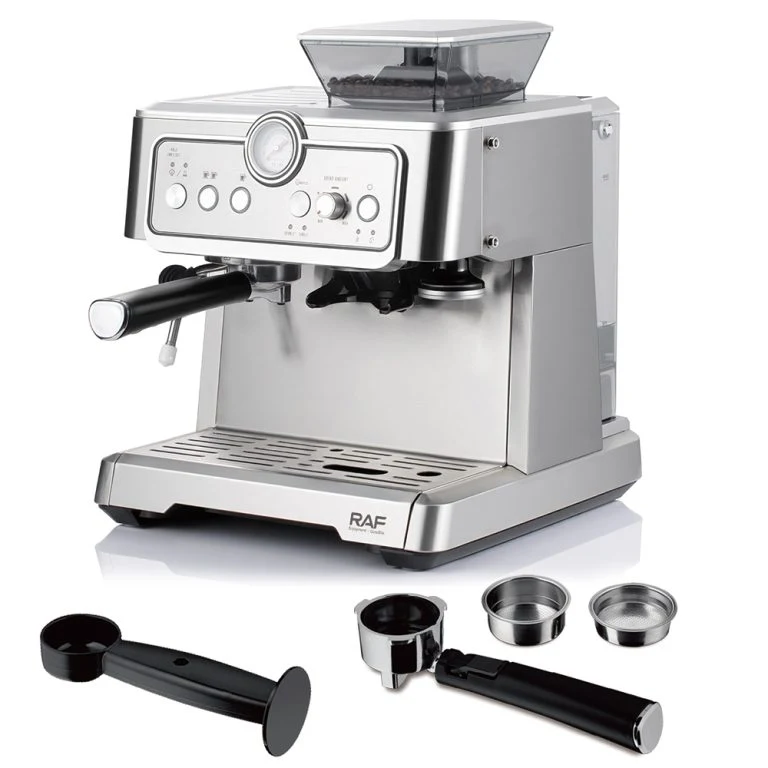
The RAF R.0201 semi-automatic espresso machine includes a manual steam wand. With this sample, pay attention to the space around that wand. Try the jug in position and check access to the steam control before moving on.
The accessories deserve their own photograph and itemised list. Where a demonstration uses a separately purchased item, label it that way. The useful question here is quite narrow: which items belong to the set being approved?
A comparison sheet should leave room for the preparation as well as the result. Suggested entries are the coffee used, grinder setting, dose and cup. Keeping these consistent where practical gives the discussion a common basis; a change belongs in the notes, not in someone’s recollection of the demonstration.
A second operator offers another useful check. Let that person work through the same preparation, with room to ask questions. Keep any questions beside the control or label concerned. A measured speed target is unnecessary for this part of a home retail sample review.
Include the move from coffee to steam
For a milk-drink range, include a full coffee-and-steam demonstration. The review sheet could follow the sequence in three short entries: coffee preparation, steam operation and the return to coffee. Alongside each, leave space for the control used and any handling observation.
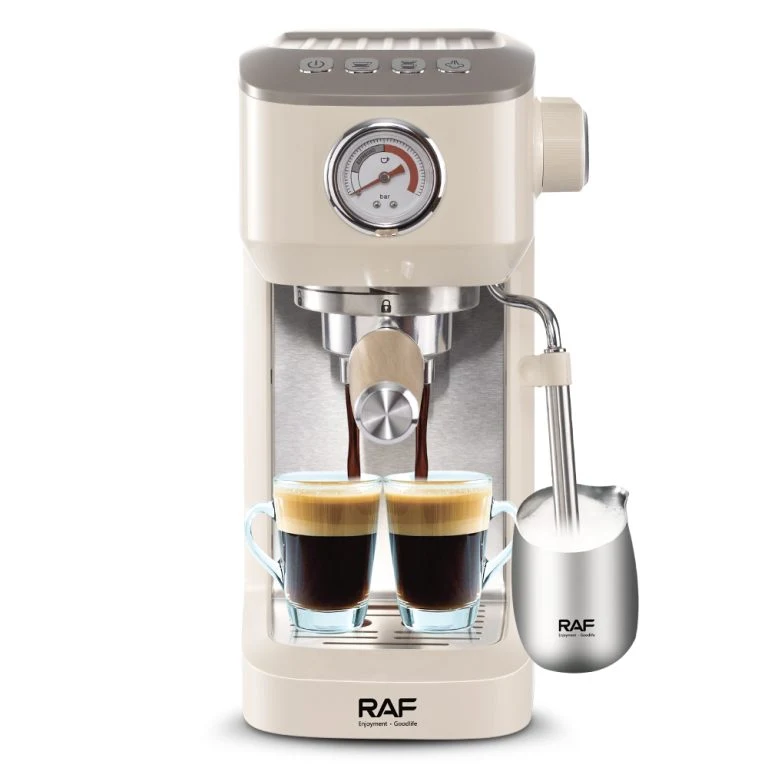
On the RAF R.0205 espresso machine with programmable buttons, steam is handled with a manual wand. A sample note for this model should identify the button settings used. The operator’s sequence can then be reviewed alongside those settings.
Keep the record short enough to use during the demonstration. A drink name, settings and a brief observation may be enough, with a photo or video where it adds something. An unanswered question can stay open until the relevant detail has been checked. Keep observations specific, such as “cup position checked” or “steam control operation reviewed,” rather than reducing the entire exercise to “works well.”
Check refilling and cleaning in the planned countertop space
The review is not over when the drinks are finished. Leave the sample in position for refilling and clearing away the used coffee. For this part, a counter with the planned clearance above it is a better review setting than an open demonstration table.
On R.0201, the water tank is removable. Take it out and refit it with the machine in position. If there is a shelf overhead, repeat the movement there rather than assessing access only on an open table. Keep that observation beside the product dimensions.
For the remaining parts, record what can actually be removed on the selected sample and how each piece is refitted. Keep cleaning observations tied to those parts. A broad description such as “easy to clean” is more useful when the review explains what was handled.
Where will the wet parts sit after cleaning? Try setting them beside the machine, with cups and a milk jug still on the counter. This gives the team something more practical to discuss than the appearance of an uncluttered showroom photograph.
Separate the machine, retail box and shipping carton
Packaging belongs in the same approval record as the machine. Give the product, retail colour box and shipping carton separate fields, including the dimensions and weight basis for each where supplied. Keep the number of units per carton beside the carton information.
R.0205 is presented with retail colour-box packaging. For a retail order, review the model identification, product image, language and accessory list on the proposed box alongside the sample itself.
Use explicit labels when copying packaging information into a purchasing sheet. “Product dimensions,” “retail-box dimensions” and “carton dimensions” are easier to follow than several entries all called “size.” Weight fields need the same care: retain the stated basis instead of assigning a net or gross weight by assumption.
Finish with one sample approval record
Before moving to an order, bring the selected details together. The following is a suggested purchasing record, with space for both accepted items and open questions.
| Review item | What to record |
| Sample identity | Model reference and sample photos |
| Electrical configuration | Rating and plug selected for the destination market |
| Operation | Controls, settings and drink sequence reviewed |
| Accessories | Itemised contents of the proposed set |
| Daily handling | Refilling, access and cleaning observations |
| Packaging | Retail box, shipping carton and units per carton |
| Final decision | Accepted configuration, open points and date |
When several samples are under review, a separate reference for each is worth the small effort. File its photographs under that reference. In the notes, distinguish a detail checked on the sample from a change agreed in correspondence but still awaiting review.
Not every observation calls for a different model. A question about accessory contents may be settled by agreeing the set. A concern about working space may need another look at the sample in position. Beside each unresolved item, leave the next action and the name of the colleague handling it. Keep accepted details separate from proposed changes so another member of the purchasing team can take over the discussion.
An unresolved packaging label, for instance, needs its own action rather than a vague note saying that the box requires attention. Once the wording is agreed, file it with the sample record. The next review can then focus on that change without reopening every accepted detail.
To move a home espresso machine selection forward, discuss the selected model and order requirements with RAF. Include the destination market, expected quantity and the configuration reviewed. That keeps the discussion tied to the machine and set actually being considered.